
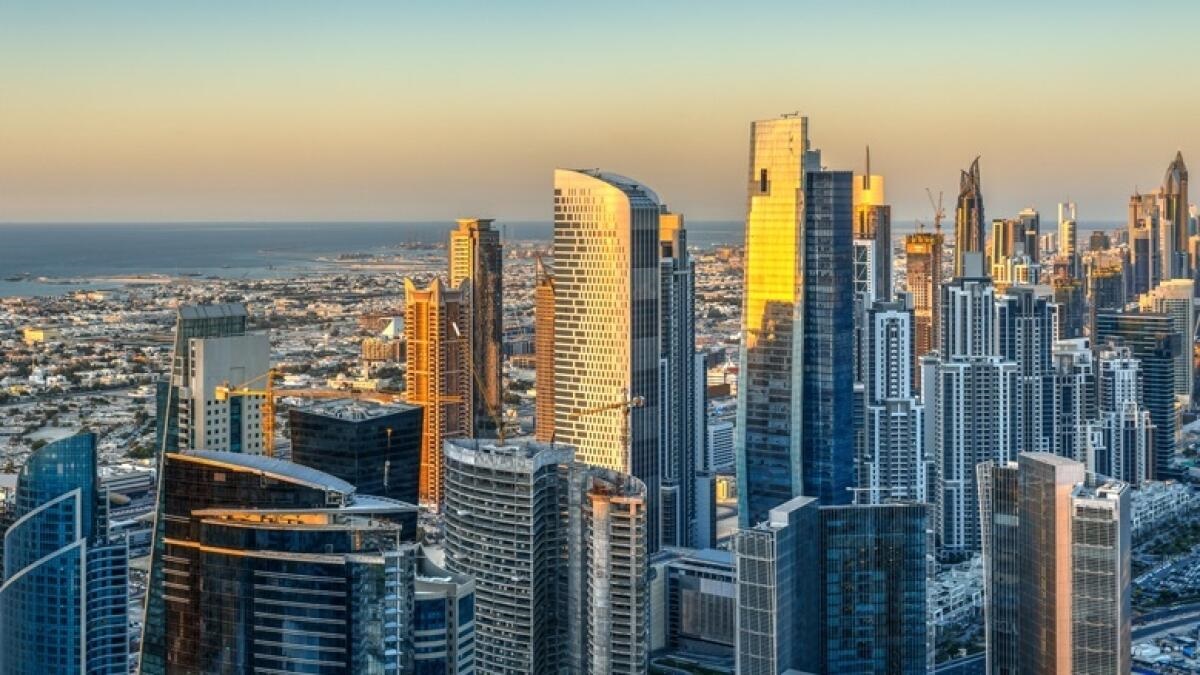
The UAE real estate market continues to attract investors seeking stable returns, long-term capital appreciation, and a business-friendly environment. From Dubai’s high-demand residential communities to Abu Dhabi’s expanding mixed-use developments and the growing appeal of Ras Al Khaimah, the country’s property sector offers opportunities for first-time buyers, seasoned investors, and expatriates looking to diversify their portfolios.
Whether your objective is generating rental income, preserving wealth, or securing a home in one of the Middle East’s most dynamic economies, understanding the UAE property market is essential before making an investment. This guide examines pricing trends, investment potential, rental yields, ownership regulations, financing options, and the factors that influence long-term performance.
Why the UAE Real Estate Market Remains Attractive
Several structural factors continue to support demand across the UAE:
- A tax-efficient environment with no annual property tax.
- Strong population growth driven by skilled professionals and entrepreneurs.
- Long-term residency initiatives, including property-linked residency options where applicable under current regulations.
- Significant infrastructure investment across transport, tourism, and commercial districts.
- A diversified economy that reduces reliance on a single sector.
These factors have contributed to sustained demand for residential, commercial, and mixed-use developments across multiple emirates.
UAE Real Estate Market Overview
The UAE property market has evolved from a speculative investment destination into a mature market supported by stronger regulations, digital property transactions, escrow protections for many off-plan developments, and increased transparency.
Current market trends include:
- Continued demand for quality residential communities.
- Strong interest from international investors.
- Increasing rental demand due to population growth.
- Expansion of branded residences and waterfront developments.
- Growing interest in sustainable and master-planned communities.
While Dubai remains the largest real estate market in the country, Abu Dhabi, Ras Al Khaimah, Sharjah, and Ajman are also attracting investors looking for different price points and investment strategies.
Major Real Estate Markets in the UAE
Dubai
Dubai remains the country’s largest real estate investment destination.
Popular investment locations include:
- Dubai Marina
- Downtown Dubai
- Business Bay
- Dubai Hills Estate
- Palm Jumeirah
- Jumeirah Village Circle (JVC)
- Dubai South
- Dubai Creek Harbour
Dubai appeals to investors seeking rental income, capital appreciation, and international resale demand.
Abu Dhabi
Abu Dhabi offers a more stable investment profile with increasing residential demand.
Popular communities include:
- Yas Island
- Saadiyat Island
- Al Reem Island
- Al Raha Beach
- Masdar City
The capital is particularly attractive to long-term investors and owner-occupiers.
Ras Al Khaimah
Ras Al Khaimah has gained momentum due to tourism growth and major hospitality developments. Waterfront communities and branded projects have increased investor interest, particularly among buyers looking for lower entry prices than Dubai.
Sharjah
Sharjah provides relatively affordable residential options and continues to attract families and investors seeking value-driven opportunities.
Types of Properties Available in the UAE
Investors can choose from a wide range of property types, including:
- Apartments
- Villas
- Townhouses
- Penthouses
- Duplexes
- Branded residences
- Commercial offices
- Retail units
- Warehouses
- Mixed-use developments
- Off-plan properties
- Ready-to-move properties
Each category serves different investment objectives, risk profiles, and budget ranges.
Property Prices Across the UAE
Prices vary significantly depending on the emirate, community, developer reputation, property type, and proximity to business districts or waterfront locations.
Illustrative market ranges:
| Property Type | Estimated Starting Price |
|---|---|
| Studio Apartment | AED 500,000+ |
| 1 Bedroom Apartment | AED 750,000+ |
| 2 Bedroom Apartment | AED 1.2 Million+ |
| Townhouse | AED 1.8 Million+ |
| Villa | AED 2.5 Million+ |
| Luxury Waterfront Property | AED 5 Million+ |
Actual pricing depends on location, developer, specifications, and prevailing market conditions.
Off-Plan vs Ready Properties
Off-Plan Properties
Advantages:
- Lower initial investment.
- Flexible developer payment plans.
- Potential capital appreciation before handover.
- New construction standards and amenities.
Considerations:
- Construction timelines may change.
- Returns depend on project execution and market conditions.
- Investors should evaluate developer track records.
Ready Properties
Advantages:
- Immediate rental income.
- Existing market pricing.
- Physical inspection before purchase.
- Easier financing in many cases.
Considerations:
- Higher upfront investment.
- Limited customization.
Typical Payment Plans
Many developers offer structured payment plans such as:
- 20% down payment
- 40–60% during construction
- Remaining balance on handover
Some projects also provide post-handover payment plans, though availability varies by developer and project.
Rental Yields in the UAE
Rental yields depend on location, supply, tenant demand, and property type.
Estimated gross rental yields:
| Emirate | Estimated Gross Yield |
|---|---|
| Dubai | 5%–8% |
| Abu Dhabi | 5%–7% |
| Ras Al Khaimah | 5%–8% |
| Sharjah | 4%–6% |
Net returns depend on service charges, maintenance costs, vacancies, and property management fees.
Investor Financial Example
The following example illustrates a realistic long-term buy-to-let scenario.
Purchase Price: AED 1,500,000
Down Payment (20%): AED 300,000
Annual Rental Income: AED 105,000
Estimated annual expenses:
- Service charges: AED 12,000
- Maintenance: AED 5,000
- Property management: AED 6,000
Net Annual Income: AED 82,000
Estimated performance:
- Gross Rental Yield: 7.0%
- Net Rental Yield: Approximately 5.5%
Actual results will vary depending on occupancy, financing costs, and market conditions.
Factors That Influence Property Value
Before investing, buyers should evaluate:
- Community infrastructure
- School access
- Public transportation
- Developer reputation
- Future supply pipeline
- Historical price performance
- Rental demand
- Upcoming government infrastructure projects
These factors often have a greater impact on long-term performance than short-term market sentiment.
Buying Process for Foreign Investors
The purchasing process generally includes:
- Selecting a suitable property.
- Reserving the unit.
- Paying the booking amount.
- Signing the Sales Purchase Agreement (SPA).
- Completing payment milestones.
- Property registration with the relevant land authority.
- Receiving ownership documentation after completion.
Financing requirements differ between residents and non-residents.
Risks Investors Should Consider
Every investment carries risk. Common considerations include:
- Market price fluctuations.
- Oversupply in certain locations.
- Delays in off-plan construction.
- Higher-than-expected service charges.
- Changes in mortgage rates.
- Vacancy periods affecting rental income.
- Liquidity differences between communities.
Diversification and careful asset selection can help reduce these risks.
Comparing the UAE’s Major Investment Destinations
| Factor | Dubai | Abu Dhabi | Ras Al Khaimah |
|---|---|---|---|
| Investor Demand | Very High | High | Growing |
| Rental Market | Strong | Stable | Expanding |
| Tourism Impact | Very High | High | Increasing |
| Capital Appreciation Potential | High | Moderate to High | Emerging |
| Entry Price | Medium to High | Medium | Lower in many areas |
Each emirate offers different advantages depending on your investment goals and risk tolerance.
Who Should Invest?
The UAE real estate market may be suitable for:
- International investors seeking portfolio diversification.
- Buyers looking for rental income.
- Long-term wealth builders.
- Families planning to relocate.
- Entrepreneurs establishing a regional presence.
- Investors interested in off-plan opportunities.
Who Should Wait?
Potential buyers may wish to postpone a purchase if they:
- Need very short-term liquidity.
- Have insufficient emergency savings.
- Are uncertain about financing.
- Have not researched the local market.
- Expect to sell within a very short holding period.
A clear investment strategy is generally more important than trying to perfectly time the market.
Strategic Investment Insights
Rather than focusing solely on the lowest purchase price, investors should prioritize:
- Communities with sustained rental demand.
- Projects from established developers.
- Areas benefiting from infrastructure expansion.
- Properties with balanced service charges.
- Locations with limited future oversupply.
Long-term value is often created through careful location selection, quality construction, and disciplined holding periods rather than speculative buying.
Conclusion
The UAE real estate market continues to offer compelling opportunities for investors who prioritize research, location quality, and long-term value. Whether your goal is generating rental income, achieving capital appreciation, or building a diversified property portfolio, success depends on selecting the right asset rather than simply following market trends.
Before making a purchase, compare communities, review developer track records, calculate expected returns after all ownership costs, and ensure the investment aligns with your financial objectives. A disciplined, data-driven approach is more likely to deliver sustainable results than chasing short-term market momentum.
Frequently Asked Questions
Is real estate in the UAE a good investment?
For many investors, the UAE offers competitive rental yields, transparent regulations, and a diversified economy. However, returns depend on property selection, financing, and market conditions.
Can foreigners buy property in the UAE?
Yes. Foreign nationals can purchase property in designated freehold areas, subject to applicable laws and regulations.
What is the average rental yield?
Depending on the location and property type, gross rental yields commonly range from approximately 5% to 8%.
Should I buy off-plan or ready property?
Off-plan properties may offer lower entry prices and flexible payment plans, while ready properties provide immediate rental income and reduced construction risk.
What additional costs should buyers consider?
Typical costs may include registration fees, agency commissions, service charges, maintenance expenses, mortgage-related fees (if applicable), and property management costs.
Which emirate offers the best investment opportunities?
Dubai remains the largest and most liquid market, while Abu Dhabi offers stability and Ras Al Khaimah presents emerging growth opportunities. The best choice depends on your investment objectives and budget.
