
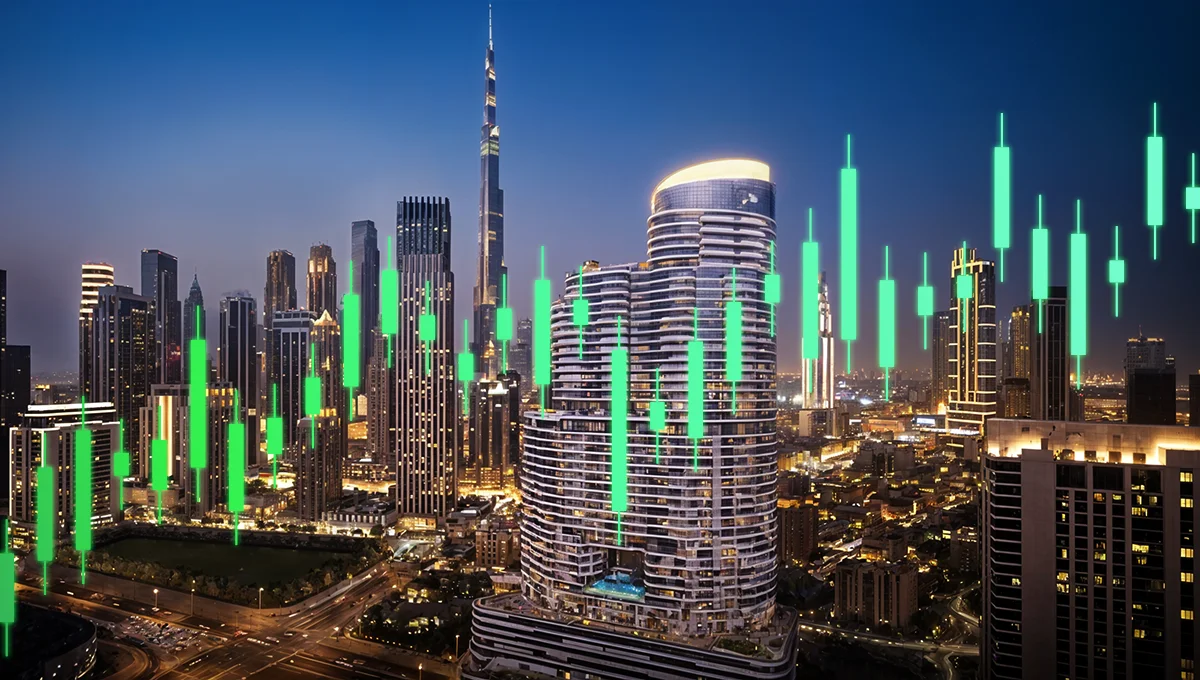
Dubai’s real estate market has always been one of the most talked-about property markets in the world. Every year, buyers and investors ask the same important question: Dubai property prices rise or fall? The reason this question matters so much is because real estate decisions are usually high value and long-term. Whether you are buying a home for living or investing for rental income and appreciation, timing and market direction play a huge role.
But the truth is, Dubai property prices don’t follow one single path. Prices can rise in one area while stabilizing in another. Luxury can grow fast while affordable segments move slowly. Villas can surge while apartments remain steady. So instead of viewing the Dubai market as “up” or “down,” it’s smarter to understand how the market works, what drives prices, what could cause corrections, and how you can make a safe decision regardless of market movement.
Dubai is not just a local market. It is international. A large number of buyers come from outside the UAE. That makes Dubai property prices influenced by global factors like inflation, currency strength, interest rates, international demand, and global uncertainty. When the world becomes unstable, Dubai often benefits because investors look for stable, safe, and tax-friendly environments. On the other side, when international markets recover strongly, some investors diversify away, which can slow demand. This balance between local growth and global investment flows is one key reason Dubai prices can be dynamic.
To understand whether Dubai property prices will rise or fall, we need to look at demand first. Dubai demand comes mainly from four groups: residents upgrading to ownership, investors seeking rental yield, overseas buyers looking for capital appreciation, and high-net-worth buyers purchasing luxury properties. When these segments remain strong, prices rise. When one segment weakens (for example, fewer investors due to financing costs), growth slows or prices stabilize in some communities.
Another major factor is supply. Dubai continuously launches new projects, especially off-plan. New supply does not automatically mean oversupply. Oversupply happens only when too many units enter the market at the same time and demand cannot absorb them. This typically affects certain property segments more than others. For example, if too many studios and 1-bed units are launched in one corridor, prices can soften there even if other parts of Dubai remain strong.
In 2026, Dubai is expected to show a more segmented market. Prime areas and branded residences may continue rising due to limited availability and high demand from luxury buyers. Family-friendly villa and townhouse communities may remain strong because demand for larger homes stays high. However, certain communities with heavy future pipeline could see price stabilization, meaning prices won’t crash but may rise more slowly.
One reason Dubai prices have stayed stronger compared to older cycles is regulation and transparency. Today, projects are better controlled, escrow systems reduce risk, and the market has more data visibility. Buyers are more educated. Developers also compete through payment plans and incentives rather than pushing unrealistic pricing. These changes have helped Dubai become a more mature real estate market, reducing the chance of sudden dramatic price collapses across the whole city.
Rental market performance is another critical indicator. In Dubai, property prices often follow rental growth. When rents increase, investors see better returns and demand rises, pushing prices up. When rents stop growing, investors become cautious and price movement slows. So if you want to predict future price direction, always study rental trends in your chosen community.
Interest rates also impact Dubai prices, but Dubai has a unique advantage: a large cash buyer segment. Many international buyers purchase without mortgages. That means even when mortgage rates rise, Dubai doesn’t freeze like some mortgage-dependent markets. However, affordability still matters, especially for end users. If financing becomes easier, demand increases and prices can rise faster. If financing becomes expensive, demand slows and prices stabilize.
A common misunderstanding is that “price fall” means a complete market crash. In most cases, markets correct in smaller ways. Dubai price correction usually looks like slower growth, seller discounts, more negotiation power for buyers, and stabilization in specific segments. That’s why buyers waiting for massive drops often miss good opportunities, because the best properties in strong locations rarely lose value significantly unless there is a major global crisis.
If your goal is investment, the smartest approach is to buy properties where demand is consistent even during market shifts. These usually include metro-connected areas, high-job activity zones, popular family communities, waterfront destinations, and premium branded developments that attract global buyers. If your goal is end use, then your focus should be lifestyle, affordability, and long-term payment comfort rather than market timing.
Dubai is also driven by development. New infrastructure, new communities, road expansions, and lifestyle destinations increase demand in surrounding areas. When Dubai announces new development plans, nearby property values often rise. Smart investors track future growth zones rather than only buying in already expensive areas. That said, buying in growth zones should be done carefully because too much supply can enter the same place.
So, Dubai property prices rise or fall? The most accurate answer is: Dubai prices will continue moving in cycles, but the overall long-term trend remains supported by strong demand, global investment interest, population growth, and continuous city expansion. Certain areas will rise faster, some will stabilize, and a few may soften slightly based on supply. But for buyers who select the right property and plan long-term, Dubai remains one of the strongest property markets for both ROI and lifestyle value.
The best way to win in Dubai real estate is not to guess the market direction, but to choose the right project, strong developer, high-demand location, and realistic budget. That strategy works whether the market rises or stabilizes because your property remains desirable and liquid.
Dubai property prices rise or fall in 2026?
Dubai property prices are expected to remain stable to rising overall in 2026, but performance will vary by area and segment. Prime and limited-supply locations may rise faster, while high-supply communities may stabilize.
Will Dubai property prices crash like other countries?
A full market crash is less likely because Dubai has strong global demand, high cash-buyer participation, and improved regulations. However, price correction or slow growth can happen in areas where supply becomes high.
Which properties rise faster in Dubai, villas or apartments?
Villas and townhouses often show stronger long-term appreciation during high-demand cycles because families prefer larger homes. Apartments can offer better rental yield, especially studios and one-bed units.
Is it better to buy now or wait for prices to fall?
If you buy a high-demand property in a strong location with fair pricing, timing becomes less risky. Waiting for a big drop often leads to missed opportunities because strong properties usually keep value.
How can I predict whether prices will rise in a specific area?
Focus on rental growth, demand levels, upcoming supply, nearby infrastructure improvements, and transaction volume. Areas with strong rental demand and limited future inventory typically perform better.