
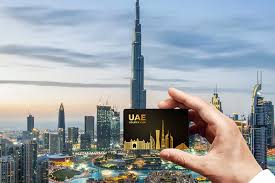
Dubai is not only one of the world’s fastest-growing real estate markets, it is also one of the most attractive cities for long-term living. This is why many overseas investors and residents search for one important topic: get residency by buying property in Dubai. The idea is simple. If you invest in Dubai real estate, you may become eligible for a residency visa, allowing you and your family to live in the UAE legally for an extended period. This residency option has become one of the strongest reasons global investors choose Dubai over other property markets.
However, many people misunderstand the rules. Some assume any property purchase gives residency automatically. Others believe residency means citizenship, which is not true. Dubai residency through property is a long-term visa option linked to real estate investment, and it comes with clear requirements, eligibility criteria, and procedures. The better you understand the process, the easier it becomes to plan the right investment and avoid mistakes.
Dubai property-linked residency is designed to attract investors who contribute to the economy through real estate ownership. It is ideal for people who want to live in Dubai, build a stable lifestyle, run a business, or secure a long-term base in the UAE. It is also popular among retirees, entrepreneurs, and families who want UAE stability without needing employer sponsorship.
One of the biggest advantages of obtaining residency through property investment is independence. Many residents in Dubai live on employment visas, which means their residency depends on their job. If they lose the job, the visa status changes. Property-linked residency offers another pathway because it is tied to ownership rather than employment. This gives peace of mind to investors who want stability and long-term planning.
Another major benefit is family sponsorship. Depending on visa type and eligibility, property investors can often sponsor family members, including spouse and children. This makes Dubai attractive for families planning education, lifestyle, and business growth. It also supports relocation planning because Dubai offers world-class schooling, healthcare, and infrastructure.
Dubai has different residency options depending on the property investment value. The most well-known is the Golden Visa, which offers long-term residency for eligible investors. There are also residency visas for lower investment thresholds, often renewed periodically. The exact eligibility conditions can change based on regulations, so investors should always confirm the current visa requirements at the time of purchase. But the general concept remains the same: higher investment value typically provides longer visa duration and additional benefits.
The type of property you purchase matters as well. In most cases, investors must purchase property in approved freehold areas. Dubai has many freehold communities where foreigners can buy property with full ownership rights. Properties can be apartments, villas, townhouses, or even multiple units combined to reach eligibility criteria. Both ready and off-plan properties may qualify, but approval may depend on completion status and documentation. Many investors prefer ready properties because they provide immediate ownership documents, which can simplify visa processing.
Another important aspect is whether the property is purchased in cash or financed. In some cases, buyers who buy with a mortgage may still qualify for residency, but often there are conditions such as minimum paid amount or a minimum equity value in the property. This is where buyers need to be careful. Some people assume mortgage buyers are not eligible, but that is not always true. It depends on the rules at the time and the amount already paid. For this reason, investors should verify with official channels or trusted professionals before purchasing.
Owning property in Dubai can support residency, but it does not mean instant approval without process. There is an application procedure that involves documentation such as title deed, passport copies, photographs, health insurance, medical fitness testing, and Emirates ID registration. The process is structured, but it can feel confusing for overseas buyers who are unfamiliar with UAE systems. Many investors work with real estate consultants or visa service providers to make the process smooth.
Choosing the right property for residency is not only about hitting the minimum value. It should also be about making a smart investment. A property purchased only for visa reasons may become a weak investment if the area lacks demand, rental income potential is low, or resale value is weak. That is why the best strategy is to combine both goals: choose a property that qualifies for residency and also performs well financially. Dubai offers many communities where this is possible, making it attractive for both lifestyle and investment purposes.
Many buyers also ask if residency means they must live in Dubai full-time. In general, residency visas require compliance with UAE entry rules, and long absence may impact visa validity depending on visa type. Some long-term visas offer more flexibility. But if your goal is residency, it is best to understand the travel conditions. Many investors maintain Dubai as a second base, visiting regularly while keeping their visa valid.
It’s also important to understand what residency does not provide. Residency is not citizenship, and it does not provide voting rights. It is a legal right to live in the UAE under specific visa terms. But residency can provide strong lifestyle benefits, easier banking access, ability to register utilities, and long-term planning advantages. For many investors, this is a perfect balance: they secure a stable UAE base without needing job sponsorship.
For investors, residency is an extra layer of value. Even if rental yields or appreciation are the main goals, residency makes the investment feel more meaningful because it unlocks lifestyle access. Many buyers who initially invest only for money later decide to relocate because Dubai offers safety, modern infrastructure, and strong quality of life.
If you are planning to get residency by buying property in Dubai, the best approach is to begin with your budget and your lifestyle goal. Decide whether you want a home for living or an investment property. Select a freehold community with strong infrastructure and demand. Choose a reputable developer and quality building. Ensure the property value meets eligibility criteria. Then prepare your documentation in advance to avoid delays.
Dubai’s property residency system is one of the strongest real estate-linked residency programs globally. It encourages investors to build long-term relationships with the city, while also offering opportunities for financial growth. When done correctly, buying property in Dubai becomes more than just an investment. It becomes a path to stability, lifestyle, and long-term future planning.
Can I get residency by buying property in Dubai?
Yes, Dubai offers residency visa options linked to real estate investment, depending on property value and eligibility requirements.
Does any property purchase qualify for Dubai residency?
Not always. The property usually needs to meet certain value thresholds and be located in approved freehold areas, with proper ownership documentation.
Can I get Dubai residency if I buy property with a mortgage?
In many cases yes, but eligibility may depend on the paid amount or equity value. Rules can vary, so buyers should confirm conditions before purchase.
Can I sponsor my family with property residency in Dubai?
Often yes. Many residency options allow investors to sponsor spouse and children, depending on visa type and compliance requirements.
Is Dubai residency through property the same as citizenship?
No. Residency gives the legal right to live in the UAE under visa conditions. It is not citizenship and does not provide passport or nationality.