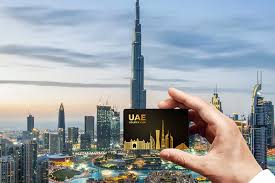

Dubai continues to attract international property investors due to its modern infrastructure, transparent ownership regulations, and diverse residential developments. In 2026, foreign nationals remain active participants in Dubai’s real estate market, purchasing apartments, townhouses, and villas across designated freehold areas. Property investment for foreigners has become an established segment of Dubai’s housing sector, supported by regulatory clarity and global connectivity.
Understanding ownership rights, legal procedures, and market dynamics is essential for foreigners considering property investment in Dubai.
Foreign Ownership Framework in Dubai
Dubai allows foreign nationals to purchase freehold properties in approved zones. These areas grant full ownership rights, enabling buyers to sell, lease, or transfer properties without restrictions. The Dubai Land Department oversees all transactions, ensuring transparency and legal compliance.
In 2026, foreigners continue to benefit from streamlined registration processes and digital documentation systems. Title deeds are issued upon completion of transactions, providing formal proof of ownership.
This framework supports confidence among overseas investors seeking secure property markets.
Types of Properties Available to Foreign Buyers
Foreign investors can choose from a wide range of property types, including apartments in high-rise developments, townhouses in master-planned communities, and villas in suburban districts. Each category serves different investment objectives, from rental income to long-term capital growth.
Apartments in central locations typically attract professional tenants, while family-oriented communities appeal to residents seeking larger living spaces. Waterfront developments remain popular among lifestyle buyers and investors alike.
In 2026, developers continue to introduce new projects tailored to diverse international buyer preferences.
Legal Process for Purchasing Property
The buying process begins with selecting a property and signing a memorandum of understanding outlining terms and conditions. A deposit is usually paid at this stage. The transaction proceeds through Dubai Land Department registration, where ownership transfer is finalized.
For off-plan purchases, payments are made according to developer schedules, with funds held in escrow accounts. Completed properties involve direct title deed transfers upon settlement.
Foreign buyers often work with registered brokers and legal advisors to ensure compliance with regulations.
Financing Options for International Investors
Foreigners may access mortgage financing from UAE banks, although terms differ from resident loans. Down payment requirements are typically higher, and income documentation is required.
Some buyers opt for developer payment plans instead of traditional mortgages. These installment structures allow gradual payments during construction and, in some cases, after handover.
In 2026, financing choices depend on individual financial profiles and property selection.
Rental Market Participation
Many foreign investors purchase properties for rental income. Dubai’s rental market remains supported by workforce mobility and population growth. Apartments near business districts and transport hubs often experience consistent tenant demand.
Property management services assist overseas owners with leasing, maintenance, and compliance. These services enable remote ownership while maintaining occupancy.
Rental income potential varies by location and property type, making market research essential.
Tax and Cost Considerations
Dubai does not impose annual property taxes, which continues to attract international investors. However, buyers must account for transaction fees, registration costs, and ongoing service charges.
Understanding total ownership costs helps investors forecast returns accurately. In 2026, digital tools simplify cost estimation and transaction tracking.
Long-Term Outlook for Foreign Investors
Dubai’s property market benefits from infrastructure development, economic diversification, and international connectivity. Foreign investment remains a key component of market activity.
For investors with long-term perspectives, Dubai offers opportunities across residential segments. Property investment for foreigners in 2026 continues to be supported by regulatory stability and growing housing demand.
Can foreigners own property in Dubai?
Yes, foreigners can purchase freehold properties in designated areas.
Are mortgages available to non-residents?
Non-residents may apply for mortgages, subject to bank approval and higher down payments.
Is rental income taxed in Dubai?
Currently, rental income is not subject to income tax.
Can foreigners sell property freely?
Yes, owners may sell properties without restrictions in freehold zones.
Do foreign buyers need residency visas?
Residency is not required to purchase property, although certain investments may qualify for visas.