
Living in the world’s most expensive countries is not just about paying more for luxury items. In many cases, it’s about spending significantly more on basic daily needs such as rent, groceries, transportation, utilities, healthcare, and education. These countries usually offer strong infrastructure, high safety levels, and excellent public services, but the cost of maintaining a comfortable lifestyle can be much higher than the global average. Because of this, both expatriates and investors often research expensive countries before relocating, working abroad, or purchasing property internationally.
One important detail is that expensive does not always mean “better for everyone.” Some countries are expensive because salaries are high and living standards are premium, while others become expensive due to housing shortages, limited space, or high taxes. Understanding why these countries are expensive helps people plan better and avoid unexpected financial pressure after relocation. This is especially important for professionals moving with families, remote workers, and international students, where monthly costs can quickly exceed budget expectations.
Most of the world’s most expensive countries have a few things in common. They are typically global financial hubs or premium lifestyle destinations with high demand and limited supply. Many also have strong currencies, which makes daily expenses feel even higher for people earning in a different currency. At the same time, these countries are often attractive because they provide stability, strong economies, and high-quality services. As a result, demand remains constant, which keeps prices high across housing and consumer categories.
Housing is usually the biggest reason why certain countries rank as expensive. In places with high population density, limited land availability, and strong investor demand, rent and property prices become extremely high. Some countries have strict zoning policies or limited construction supply, which reduces the number of available homes. In those markets, even average apartments can become unaffordable for middle-income earners, especially in major cities. For expatriates, accommodation costs often decide whether relocating is worth it, as rent can consume a large portion of monthly income.
In high-cost countries, the situation is usually more intense in capital cities and business hubs. This means a country might be labeled expensive mainly because one or two major cities dominate the cost index. For example, the financial center could be extremely expensive, while smaller towns might offer lower costs. This is why people relocating should not rely only on country-level data. They should compare specific cities and districts, since costs can vary dramatically within the same country.
Apart from housing, daily living expenses are another major reason why costs rise. Groceries and dining can be significantly higher because imported products, premium standards, and local price structures increase overall costs. In countries where labor costs are high, services such as housekeeping, childcare, and even dining out become expensive. This affects both residents and tourists. Many travelers feel that these countries are expensive because even basic food and transport feel premium-priced compared to other destinations.
Transportation costs also play a key role. Some expensive countries have strong public transport systems but still charge high monthly passes. Others have high car ownership costs because of insurance, fuel pricing, road taxes, and parking fees. In certain places, toll roads and restricted city entry systems can add to the cost of daily commuting. For professionals working in major cities, commuting becomes a serious monthly expense, especially if housing near work is not affordable.
Healthcare and education are also major cost drivers, particularly for families. Some expensive countries offer excellent public healthcare systems, but residents still pay high insurance contributions. In other cases, private health insurance is essential, and the monthly premium can be expensive. Education can also become a major financial factor because international schools and private education systems often charge high tuition fees. Expats relocating with children frequently mention schooling as one of the biggest monthly or yearly expenses.
Another reason these countries become expensive is the overall lifestyle environment. Premium countries often have a culture of high spending due to social norms and living expectations. People spend more on recreational activities, branded shopping, entertainment, and travel. Even if someone chooses to live simply, daily prices in restaurants, cafés, gyms, and services may still be high. As a result, overall cost pressure increases even without luxury spending.
Taxes and government fees can also influence how expensive a country feels. Some high-cost countries have strong tax systems that fund public services and welfare benefits. That can create a high level of comfort and safety, but it also reduces disposable income. In contrast, some countries may have lower income taxes but higher hidden costs such as housing, insurance, or private service needs. This is why it’s important to look at “net take-home income” instead of just salary figures when comparing expensive countries.
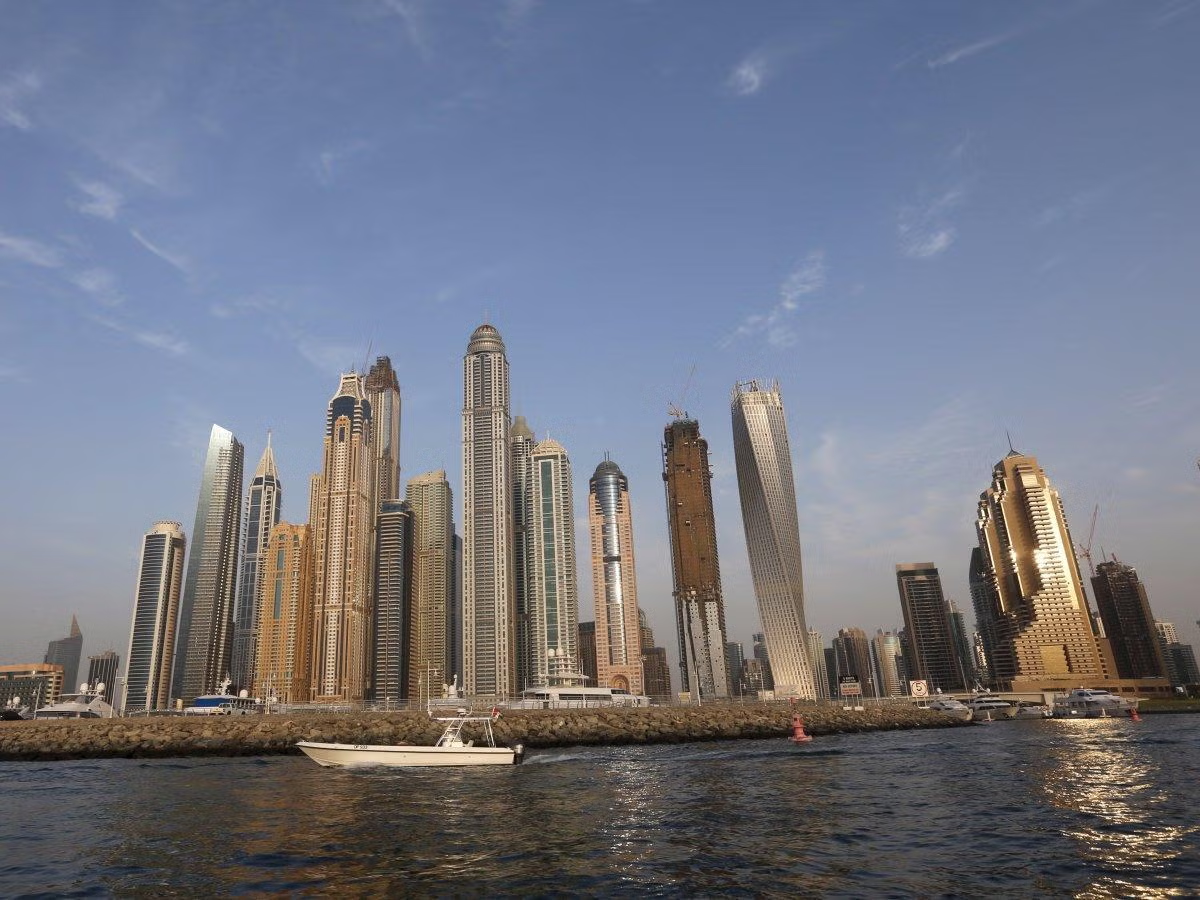
When people research the world’s most expensive countries, they often find that countries such as Switzerland, Singapore, Norway, Denmark, Iceland, Luxembourg, and parts of the United Arab Emirates (especially premium urban areas) frequently appear in cost rankings. These countries are not expensive by accident. They have strong economies, high wages, stable governance, premium safety, and strong global demand. In many of these markets, living costs rise because the country is highly attractive to skilled professionals, investors, and international companies.
However, it is also important to understand that cost of living indexes are based on averages. Your personal cost depends heavily on lifestyle, family size, rent expectations, and daily habits. For example, someone living in a shared apartment will experience a very different cost level than someone renting a private apartment in a prime district. Similarly, an expat with employer benefits will have lower cost pressure compared to someone paying fully out of pocket.
A helpful way to evaluate expensive countries is by comparing costs against income. Some countries are expensive but provide strong earning potential. This means the standard of living can remain manageable if a person has the right job profile. Other countries can feel financially difficult even at good income levels due to high rent and high service costs. This is why relocation planning should always include salary negotiation, tax calculations, and a detailed monthly budget forecast.
For investors, expensive countries can be interesting for real estate because property markets often remain stable due to strong demand and limited supply. However, high entry prices can reduce rental yield percentage, especially in premium locations where property prices rise faster than rent. Investors often focus on long-term stability rather than short-term yield when considering real estate in expensive countries. This approach is common in major global hubs where capital protection is as important as rental income.
In summary, the world’s most expensive countries are shaped by strong economic positions, premium standards, high demand, and limited housing supply. These countries often provide safety, infrastructure, and quality living, but the cost of basic life can be high. Whether relocating, studying abroad, or investing internationally, people should evaluate the full cost structure, not just rent. A clear financial plan is essential for managing life in these high-cost locations.
FAQs
Which countries are considered the most expensive to live in?
Countries like Switzerland, Singapore, Norway, Denmark, and similar high-income nations often rank among the most expensive due to high rent and daily costs.
Why are some countries more expensive than others?
High living costs are usually caused by strong currency value, high wages, limited housing supply, and strong international demand.
Is housing the biggest expense in expensive countries?
Yes. In most high-cost countries, rent and property prices are the largest cost factor for residents and expats.
Do high salaries always balance the high cost of living?
Not always. Even with higher salaries, taxes and lifestyle costs can reduce disposable income, so budgeting remains important.
How can someone manage costs in expensive countries?
Choosing affordable areas, using public transport, tracking spending, and planning rent and insurance costs in advance can help reduce financial pressure.